
Does car insurance cover someone else driving my car?
Often, it can—but the answer depends on your policy and the circumstances. Many US auto policies provide some coverage when you give another licensed person permission to drive your insured car. This is commonly called permissive use. The National Association of Insurance Commissioners (NAIC) explains that liability policies generally cover a licensed driver using your car with your permission, while also warning that policy terms can differ.
Do not treat “insurance follows the car” as an absolute rule. A policy may restrict who can drive, how the vehicle may be used, or what types of losses are covered. State rules also vary. Check the policy documents or ask your insurer before relying on coverage for a particular driver.
What is permissive use?
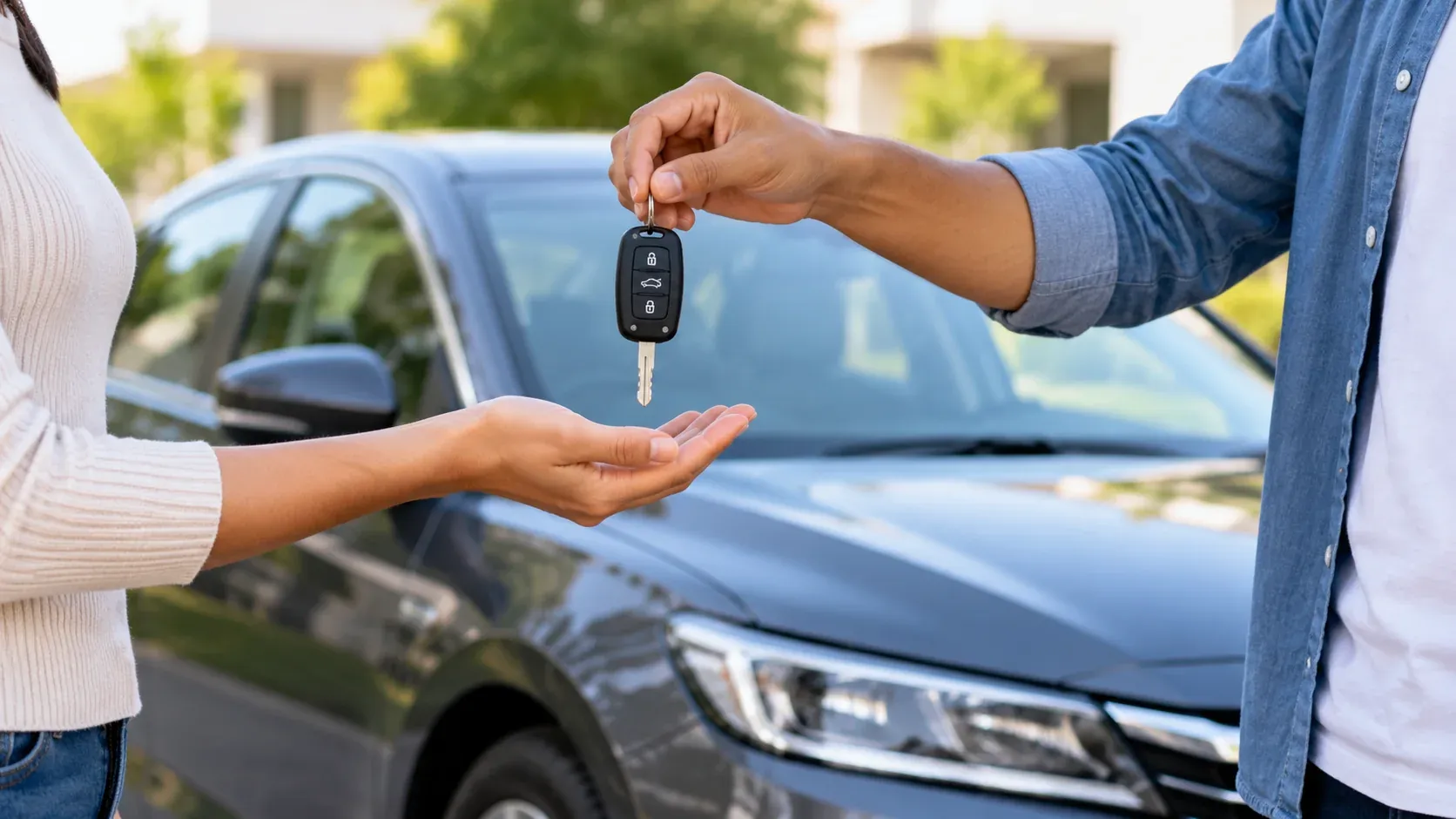
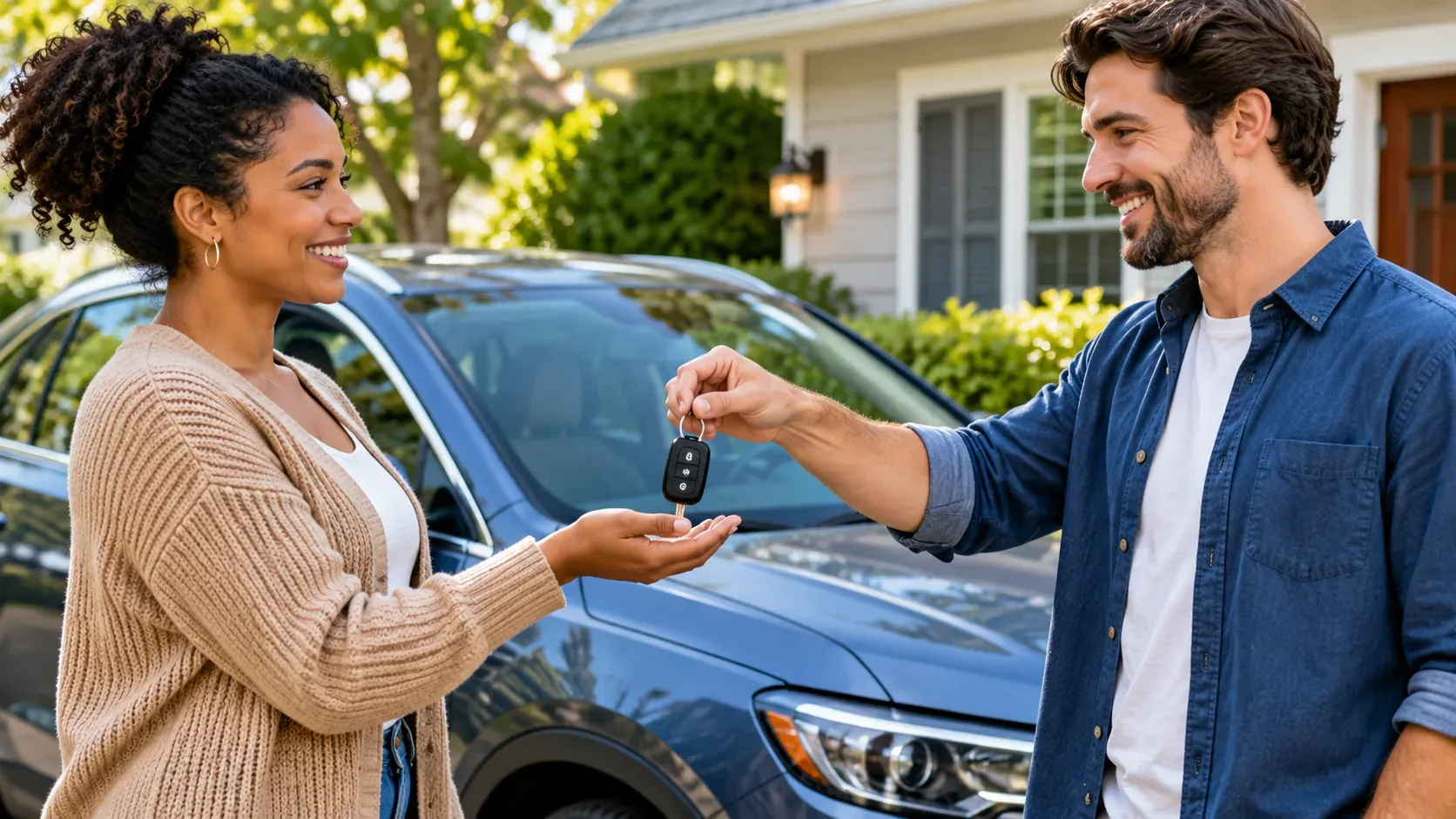
Permissive use generally means you have allowed someone else to drive your vehicle. Permission might be explicit, such as handing a friend the keys and agreeing they can use the car, or it may be understood from the circumstances. Whether permission existed and what it allowed can become important after a crash.
Many personal auto policies extend some coverage to an occasional driver who has permission. However, insurers do not all define occasional use in the same way, and a policy may contain restrictions or exclusions. Permission to drive does not automatically mean every coverage in your policy applies in full.
If you are unsure whether a planned trip fits your policy, contact the insurer and describe who will drive, how often, and for what purpose.
Which insurance may respond if the other driver crashes?
The answer depends on the policy, the type of claim, and applicable state law. Different parts of an auto policy address different losses.
Liability for injuries or damage to other people
If the permitted driver causes a covered accident and is legally responsible, the vehicle owner’s bodily injury and property damage liability coverage may respond to claims by others, up to the applicable limits and subject to the policy. Liability coverage is not unlimited, and a claim can be affected by exclusions, fault, and the facts of the incident.
Damage to your own car
Damage to your vehicle is a separate question. Collision coverage generally applies to certain covered crash damage to the insured vehicle, subject to the policy and deductible. Comprehensive coverage generally applies to certain non-collision losses, such as theft, fire, or weather-related damage. Having liability coverage alone does not mean repairs to your own car will be covered.
Even when you have collision or comprehensive coverage, confirm how your policy treats the person who was driving. Driver restrictions and policy conditions can affect a claim.
Injuries to the driver and passengers
Medical payments coverage, personal injury protection (PIP), and uninsured or underinsured motorist coverage vary by state and policy. They may apply to certain injuries or situations, but their rules are not identical across the country. Do not assume that the same benefit or priority applies in every state.
For a general explanation of liability protection, see What Is Liability Car Insurance and What Does It Cover?.
Does it matter whether the driver is a friend, family member, or household member?
Yes. A one-time loan to a visiting friend may be treated differently from regular use by someone who lives with you.
A friend borrowing your car occasionally
If your friend is licensed, has your permission, and is using the car for an ordinary personal trip, your policy may extend coverage. Before lending the car, check for named-driver restrictions, exclusions, or other limits in your policy. Also make sure the person is legally allowed to drive and understands any conditions you set.
A spouse, partner, or other household member
Insurers often ask about licensed drivers who live in the household or regularly use a vehicle. They may need to be disclosed or listed on the policy. The rules and consequences of failing to list someone vary by state and policy.
The Maryland Insurance Administration warns that an undisclosed household driver can affect whether collision or comprehensive coverage is available under some policies, even where the driver had a reasonable belief they could use the vehicle. That is a state-specific example, not a universal rule for every US policy.
Tell your insurer about household drivers and follow its instructions for adding them or documenting any exclusion.

A driver named as excluded on the policy
An excluded driver is someone the policy specifically says is not covered for certain use of the insured vehicle. If you let an excluded person drive, you could have little or no coverage for a resulting loss, depending on the policy and state law. Do not assume that your permission overrides a written exclusion.
Read the endorsement and ask the insurer what the exclusion means before the person drives.
Someone who uses your car regularly
Regular access is different from a rare, short-term loan. A person who routinely drives the vehicle may need to be disclosed and rated under the policy. Failing to report regular drivers can create claim complications or other policy consequences.
Ask your insurer how it defines a regular driver and whether the person should be added to the policy.
What if the person drives without permission?
A person who takes the car without your permission may be treated differently from someone you authorized to drive. Coverage depends on the facts, policy language, and applicable law. If the vehicle was taken without permission, report the circumstances accurately to your insurer and, where appropriate, law enforcement. Do not describe an unauthorized use as permitted simply to simplify a claim.
What if the driver is using your car for work, delivery, or rideshare driving?
Personal auto policies may restrict or exclude some business uses, including paid passenger transport or delivery work. The exact exclusions and any available endorsements differ by insurer and policy. A policy that covers a friend borrowing your car for a personal errand may not provide the same protection when the vehicle is being used to earn money.
Before allowing someone to use your vehicle for delivery, rideshare, paid transport, or another business purpose, tell your insurer exactly how the car will be used and ask what coverage is required. Do not rely on a general permissive-use rule for a commercial activity.
Does the other driver’s own insurance cover the accident?
The borrowing driver’s own policy may be relevant, but you should not assume it will automatically pay first or cover every shortfall. Which policy responds, and in what order, depends on the policies, the claim, and state law. Your policy may be primary for some claims involving your insured vehicle, while another policy may provide additional coverage in particular circumstances.
If an accident happens, notify the insurer promptly and provide accurate details about who was driving, what permission was given, and what occurred. Let the insurers determine how the applicable policies interact.
What should you check before lending your car?
Use this checklist before handing over the keys:
- Confirm the driver is licensed. Check that the person’s license is valid for the vehicle and circumstances.
- Review your policy. Look for permissive-use terms, named-driver restrictions, and exclusions.
- Disclose household and regular drivers. Ask your insurer whether anyone who lives with you or routinely uses the vehicle must be listed.
- Check the intended use. Confirm whether the policy permits the planned trip, especially if it involves paid delivery, rideshare, or business activity.
- Understand the coverages. Liability, collision, comprehensive, and injury-related coverages protect against different risks and may have different limits or conditions.
- Know the deductible and limits. A covered claim may still leave you responsible for a deductible or losses above policy limits.
- Ask when uncertain. Give your insurer the driver’s relationship to you, how often they will drive, and the purpose of the trip. Keep a record of the answer.
What to do if someone else has already had an accident in your car
First, make sure anyone who needs urgent medical help receives it and follow local reporting requirements. Then contact your insurer as soon as reasonably possible, even if you are not sure which coverage applies.
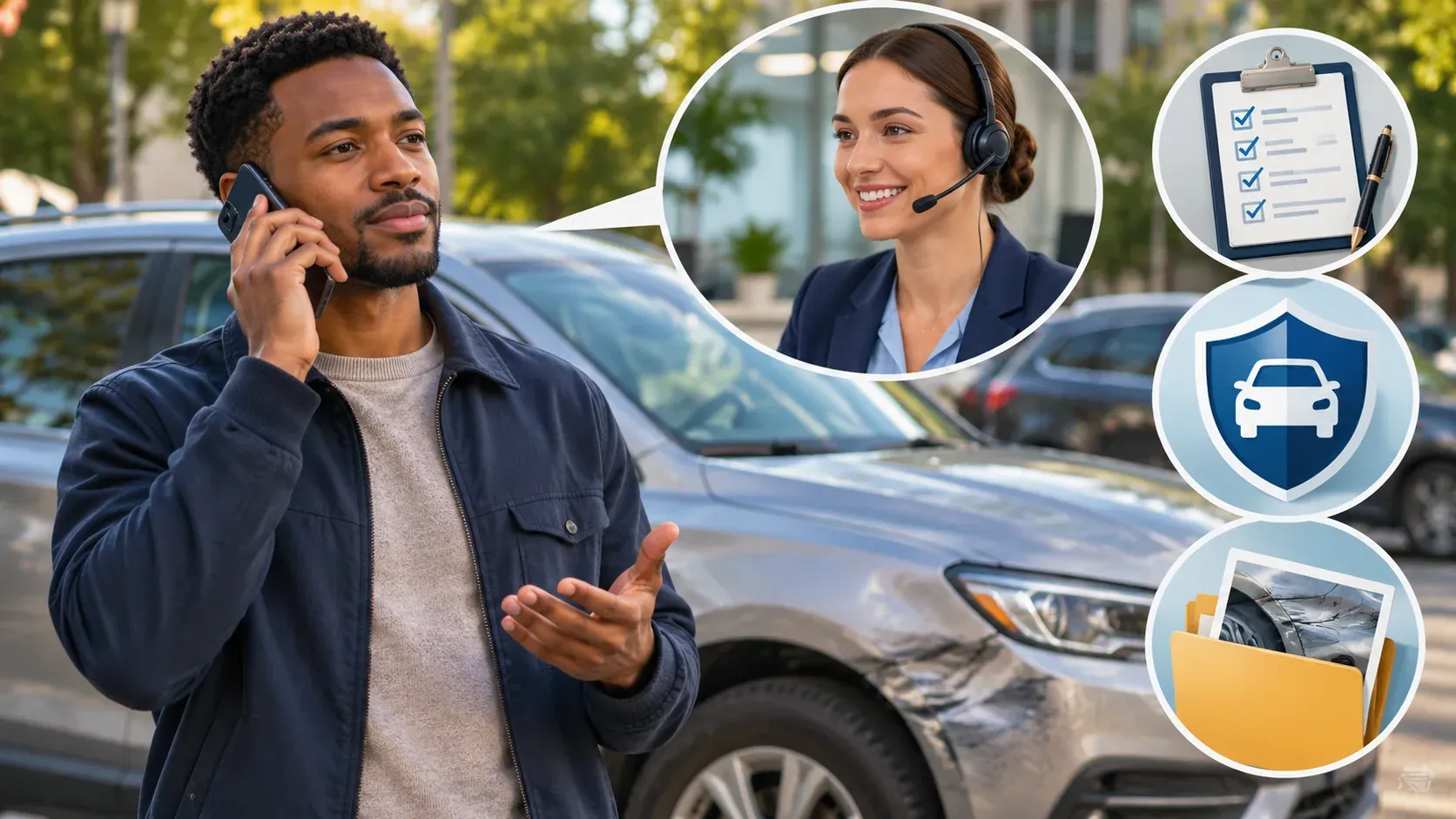
Be ready to explain who was driving, whether you gave permission, where the car was being used, and what happened. Share accurate documents and cooperate with the insurer’s investigation. Do not promise that a particular loss is covered before the insurer has reviewed the policy and facts.
If the insurer denies or limits a claim, request the decision and the policy provisions it relies on in writing. You can ask the insurer to explain its reasoning and consult your state insurance department about consumer complaint options. A regulator cannot guarantee a particular claim outcome, but it can explain available complaint processes.
Frequently asked questions
Can my friend drive my car if they are not on my insurance?
Often, an occasional licensed driver with your permission may be covered under your policy. Restrictions, exclusions, household-driver rules, state law, and the intended use can change the result. Check your policy before lending the car.
Does car insurance follow the car or the driver?
The phrase “insurance follows the car” is a useful shorthand for some situations, especially permissive use, but it is not a universal rule. The policy wording, coverage type, driver, and state law all matter.
Will my insurance pay if my friend damages my car?
It depends on the coverage you purchased and the policy terms. Liability coverage generally addresses covered harm to others; collision coverage may address covered crash damage to your own car. Deductibles, exclusions, and driver restrictions can affect the result.
Should I add someone who borrows my car often?
Ask your insurer. Regular drivers and household members may need to be disclosed or listed, even when they have their own insurance. Requirements vary by insurer and state.
What if the other driver is excluded?
A named-driver exclusion may prevent coverage for a loss involving that driver. The effect depends on the wording of the exclusion and applicable law. Read the policy endorsement and contact your insurer before allowing an excluded driver to use the car.
Does my policy cover someone delivering food in my car?
Do not assume it does. Paid delivery, rideshare, and other business use can be restricted under personal auto policies. Tell your insurer how the car will be used and ask whether a specific endorsement or commercial policy is needed.
The bottom line
Your car insurance may cover someone else driving your car when you have given them permission, but the outcome depends on the policy, the type of claim, the driver, the vehicle’s use, and state law. Household and regular drivers, named exclusions, unauthorized use, and paid business activities deserve particular attention.
Before lending your car, review the policy and ask your insurer about the specific driver and trip. If a crash occurs, report the facts accurately and let the insurer assess coverage under the contract and applicable law.